
Disclaimer: This content is for educational purposes only and does not constitute medical advice. Results may vary. Always consult a qualified healthcare professional before making health-related decisions.
Introdução
Emerging research in longevity and metabolic science suggests that a form of cellular power slowdown may occur as we age. When mitochondrial efficiency declines, overall energy production drops — which can affect metabolism, energy levels and how the body handles fuel. This article explains the science, what it may mean for tiredness and weight gain, and what to look for in targeted nutritional support.
The Problem: You Have a “Brownout” Inside
Have you ever felt like you are running on a battery that won’t charge past 20%?
You sleep for 8 hours but wake up exhausted. You eat salad, but gain weight. Doctors often check your thyroid and say everything is normal. But you know it isn’t.
Many people hear that their thyroid tests are normal, yet still feel exhausted or struggle with weight — which is why a deeper look at cellular metabolism matters.
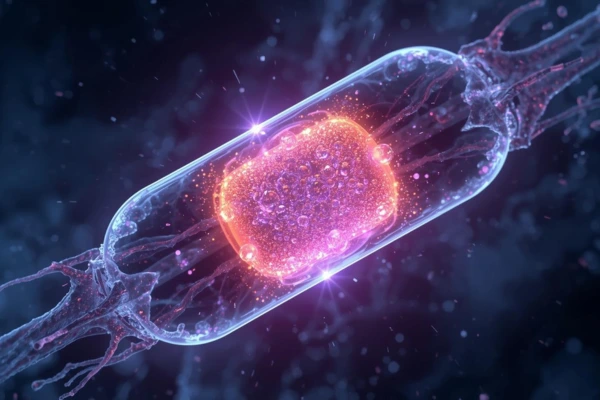
According to longevity researchers, the problem is deeper than your organs — it’s cellular. Inside your cells, you have tiny power plants called mitochondria. They take the food you eat and burn it into energy. When you are young, you have thousands of them, firing on all cylinders. That’s why kids have endless energy.
The glitch: As we age, mitochondrial function often declines or becomes less efficient. Instead of burning calories, your cells start hoarding them.
The Science: Mitochondrial Decline
When your mitochondria go offline or function poorly, two things can happen:
Energy Drop: You feel lethargic and foggy.
Fat Accumulation: Since the cellular furnace is colder, the fuel (food) can pile up as fat around your hips and belly.
While exercise plays an important role in metabolic health, research suggests that physical activity alone may not fully reverse age‑related mitochondrial decline without adequate cellular support.
The Science behind nutrients and mitochondrial support
To understand how support can come from nutrition: several micronutrients play critical roles in energy metabolism and ATP production. Scientific reviews highlight the importance of nutrients such as B vitamins, coenzyme Q10, selenium, zinc, and others in supporting mitochondrial function and the electron transport system. These nutrients act as cofactors in key metabolic pathways. ScienceDirect
Separately, research in experimental models suggests that combinations of mitochondrial‑targeted nutrients can improve mitochondrial function and may avoid weight gain seen with some other therapies. PLOS In broader terms, such combinations can promote mitochondrial synthesis and improve metabolic health. PLOS
Additionally, cellular signaling pathways that regulate mitochondrial biogenesis and quality control, such as AMPK and its downstream partners, have been linked to improvements in mitochondrial content and function in experimental studies. Nature And mitochondrial biogenesis itself is driven by physiological stimuli and regulatory factors, reflecting the body’s ability to adapt mitochondrial number and function. PMC
These lines of research explain why some people may benefit from targeted nutritional approaches aimed at supporting mitochondrial energy production, not merely stimulating alertness.
The Solution: Mitolyn
Researchers studying cellular energy have found that mitochondria rely on specific nutrients and signaling pathways to maintain efficient energy production. This has led to growing interest in nutritional approaches designed to support mitochondrial health directly, rather than relying only on stimulants or calorie restriction.
Mitolyn represents one of these approaches. It is positioned as a formula that supports cellular energy by providing materials that help revitalize aging mitochondria, rather than merely stimulating the nervous system.
Key Benefits & Mechanisms
1. Reactivating the Furnace
Mitolyn’s proprietary blend aims to support mitochondria that are less active. Users often report a feeling of cleaner, steadier energy — not the jittery buzz from coffee, but a more sustained hum of a body with healthier cellular energy production.
2. Enhanced Caloric Burn
When your cells work more efficiently, they naturally use more fuel. This can increase resting metabolic demand, meaning you may burn more calories even at rest, such as sitting or sleeping.
3. Deep Sleep Support
A benefit tied to healthier cellular rhythms is better sleep cycles. By helping cells recharge more effectively overnight, it can support overall energy balance and weight efforts, especially since poor sleep is linked to fat gain.
4. Gut‑Mitochondria Axis
Emerging research points to connections between gut health and mitochondrial efficiency. Mitolyn supports digestion so nutrients are absorbed and delivered to cells that need them, which may help the whole system perform better.
Conclusion: Charge Your Battery
Living with slower mitochondria is like driving a sports car with the handbrake on. You are putting in effort — dieting, stressing — but not moving forward.
Releasing that handbrake changes everything. Weight can begin to drop because your body uses the fuel you give it more effectively. If you are ready to feel more energy, especially after age‑related declines, it’s time to look at your cells and how they produce energy.
👉 Learn how this mitochondrial‑support formula works and why it’s gaining attention
(Check ingredients, research background, and availability on the official site)